
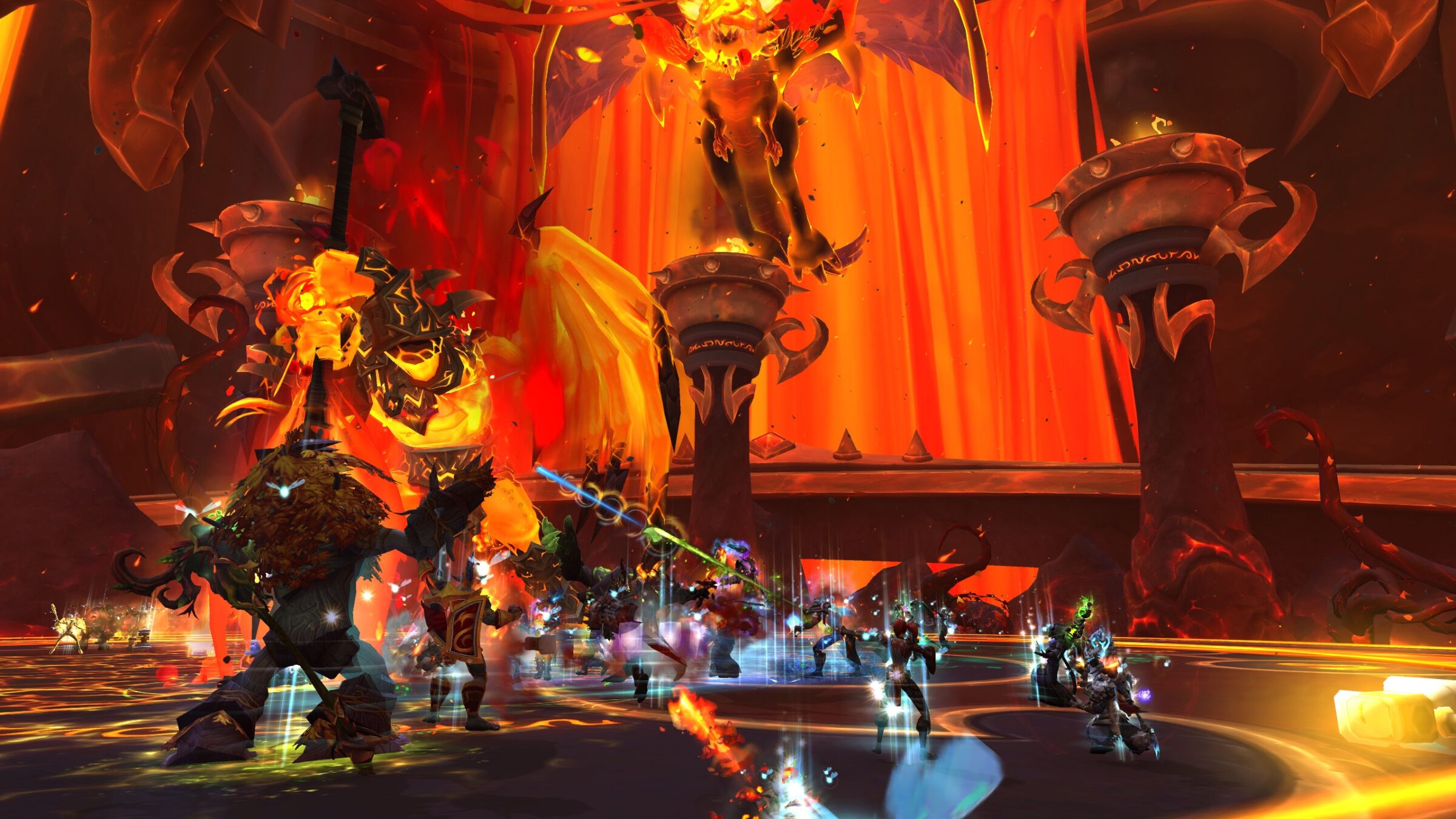


Mastering the art of raid leading in WoW means you’re the linchpin of your mythic team’s success. You’ll need to juggle raid dynamics, ensuring your setup maximizes class efficiency and raid buffs. But it’s not just about stats. Building a cohesive squad requires fostering trust, encouraging improvement, and celebrating victories, big or small. Vital communication is essential; clear expectations and constructive feedback keep everyone on track. Mastering encounter mechanics and adapting to setbacks with a cool head will set you apart. As you sharpen these skills, you’ll transform challenges into triumphs. Stick around, and you’ll discover even more ways to lead your team to glory.
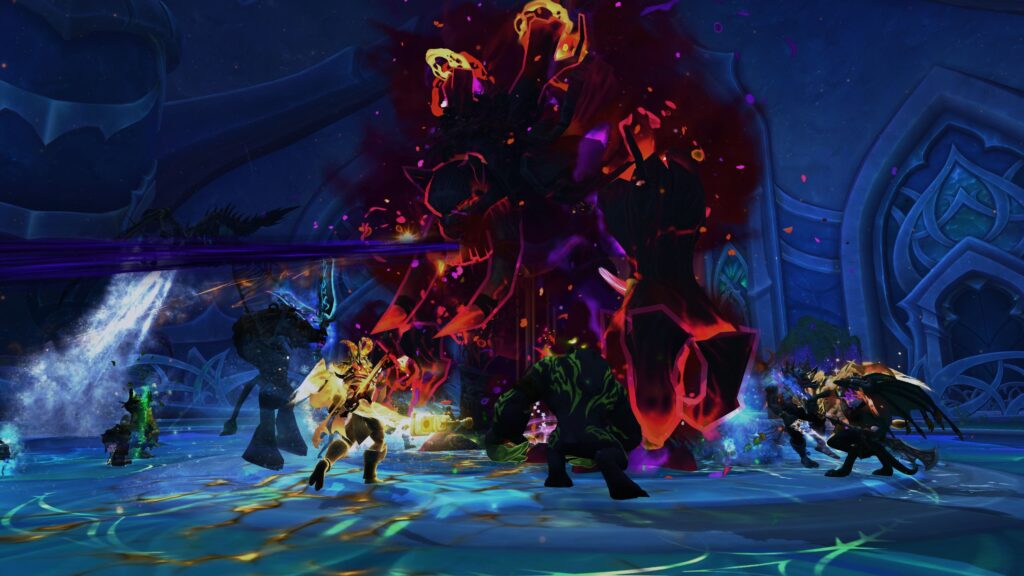
Key Takeaways
- Master raid setup by optimizing class placement and utilizing buffs for strategic advantage.
- Foster trust and collaboration, emphasizing teamwork over individual DPS stats.
- Utilize clear communication for setting expectations and providing constructive feedback.
- Tailor strategy to boss mechanics, assigning roles effectively for flawless execution.
- Maintain team morale during setbacks, encouraging open discussion for improvement.
Understanding Raid Dynamics
Understanding the intricacies of raid dynamics is essential if you’re aiming to lead your Mythic team to victory in WoW. As a raid leader, it’s your job to master the art of raid setup and composition. This means knowing where to place your feral druids for maximum efficiency and how to leverage your arcane mages for unparalleled damage. But it’s not just about the placement; it’s about understanding the synergy between raid buffs and how they can turn the tide of battle.
Managing your raid also involves making tough decisions through a loot council system. It’s a delicate balance between rewarding top performers and ensuring every team member is adequately geared for the challenges ahead. This system can have a significant impact on your raid’s success, so it’s vital to approach it with fairness and strategy.
Building a Cohesive Team
Building a cohesive team requires more than just assembling top-tier players; it’s about fostering trust and collaboration among members. When you’re putting together your team for a 20-man raid, you’ve got to think beyond individual raid DPS stats. Sure, you want players who can pull their weight, but if they can’t work as part of a team, you’re going to hit a wall.
The glue that holds your team together isn’t found in the raid chat during the heat of battle; it’s built in the quieter moments. It’s in the discussions about strategy, the sharing of resources, and the mutual respect that develops over time. Your goal is to create an environment where everyone feels valued and understands their role in the team’s success.
You’ll find that when players are committed to the team’s success, they’ll go the extra mile. They’ll study fights, improve their raid DPS, and offer constructive feedback to others. It’s this level of dedication and teamwork that transforms a group of individuals into a cohesive unit, capable of taking on the most challenging content WoW has to offer.

Effective Communication Strategies
Effective communication is essential for any raid team aiming to conquer Mythic content in WoW.
First off, you’ve got to set clear expectations. Before you even start, make sure everyone knows what’s expected regarding attendance, gear level, and understanding of class roles. This way, there’s no confusion down the line.
Next, establish a solid communication platform. Whether it’s Discord, Teamspeak, or another service, choose one that’s vital and stick with it. This will be your hub for not just voice comms during raids but also for announcements, strategy discussions, and feedback.
Speaking of feedback, it’s crucial. But here’s the kicker: it’s got to be constructive. After a raid, talk about what went right and what didn’t. Encourage your team to speak up too, but keep it respectful and focused on improvement, not blame.
Lastly, adapt your communication style. Not everyone responds the same way. Some players might need a bit more encouragement, while others respond better to direct feedback. It’s your job to figure out what works best for each member of your team.
Mastering Encounter Mechanics
Mastering encounter mechanics is crucial for any Mythic raid team looking to succeed in WoW. It’s not just about knowing what each boss does; it’s about comprehending how these mechanics interact with your team’s composition. Each member needs to know their role inside and out, but as a raid leader, you’ve got to see the bigger picture.
| Boss Phase | Key Mechanics | Team Strategy |
|---|---|---|
| Opening | AOE Damage | Spread & Heal |
| Progression | Targeted Adds | Assign DPS |
| Final | Enrage Timer | Maximize DPS |
First, break down each encounter into phases. Identify the key mechanics in each phase, such as area of effect (AOE) damage, targeted adds, or enrage timers. Then, tailor your team’s strategy around these. For AOE damage, make sure your healers are ready to spread and heal. When targeted adds appear, have a DPS team assigned to quickly take them down. And for enrage timers, make sure everyone’s maximizing DPS to beat the clock.
Understanding and planning for each mechanic ensures you’re not caught off guard. It’s about adapting your strategy to the encounter’s demands, making sure every team member knows their role and executes it flawlessly.
Dealing With Setbacks
While understanding encounter mechanics sets a solid foundation, you’ll also need to know how to handle the inevitable setbacks your team will face. It’s not just about the strategies; it’s about maintaining morale and cohesion when things don’t go as planned. First off, don’t let frustration take the wheel. It’s easy to get caught up in the moment, but remember, every team hits snags. What sets you apart as a raid leader is your ability to stay calm and collected, providing clear, constructive feedback instead of pointing fingers.
When a setback occurs, take a moment to analyze what went wrong. Was it a communication breakdown? Did someone miss their cue? Understanding the root cause is essential for preventing similar issues in the future. Use these moments as learning opportunities, encouraging open discussion among your team members about what could be improved. Remember, it’s a team effort, and every member’s perspective is valuable.
Lastly, celebrate the small victories. Progression in Mythic raids is often measured in incremental improvements. Acknowledging these steps forward, no matter how small, can greatly boost team morale and motivation. With patience, persistence, and a positive attitude, you’ll lead your team back on the path to success.
Frequently Asked Questions
How Do You Balance Raid Time With Personal Commitments Without Sacrificing the Team’s Progress?
To balance raid time and personal commitments, you’ve got to set strict schedules and stick to them. Prioritize tasks, delegate when possible, and remember, it’s okay to take breaks to avoid burnout.
What Are Innovative Ways to Motivate Your Team Members Who Seem to Be Losing Interest or Burning Out?
To motivate your team, mix things up; rotate roles, host fun off-night events, and set personal achievement goals. You’ll reignite their passion, ensuring they’re engaged, and staving off burnout. It’s about keeping it fresh.
How Do You Handle Loot Distribution Fairly, Especially When Dealing With Items Highly Sought After by Multiple Team Members?
To fairly handle loot distribution, you’ve got to set clear rules beforehand. Consider a loot council or a points system to avoid conflicts. Transparency with your team is key to keeping everyone on board and satisfied.
What Strategies Can Be Employed to Integrate New Members Into the Team Without Disrupting Existing Dynamics and Performance?
To integrate new members smoothly, 75% of successful teams start by pairing them with veterans for mentorship, easing them into the group. You’ll maintain harmony and boost their performance without rocking the boat.
How Do You Manage and Resolve Conflicts Between Team Members That Stem From Outside the Game, Such as Personal Disagreements or Jealousy?
To manage and resolve conflicts between team members from outside the game, you’ll need to communicate openly, mediate fairly, and sometimes separate personal issues from gameplay to maintain team harmony and focus.
Home