


PvP maps quietly dictate how often players clash and who controls the flow of a match. Layout, sightlines, elevation, and objective placement all influence when engagements happen and how much control teams can exert between fights.
Well-designed maps create intentional pressure rather than random collisions.
Why Map Layout Matters More Than Numbers
Damage tuning and class balance matter, but map geometry decides how those tools are used. Narrow corridors force conflict, while open spaces allow resets and repositioning.
The environment determines whether players are encouraged to fight or disengage.
Engagement Frequency as a Design Choice
Maps with short travel paths and centralized objectives produce frequent skirmishes. Longer routes and layered terrain slow engagement and reward preparation.
Neither approach is inherently better—each creates a different competitive rhythm.
Map Elements That Control Match Flow
Specific features consistently shape PvP pacing.
- Objective placement that forces rotation decisions
- Line-of-sight blockers that enable defensive play
- Elevation changes that reward positioning
- Choke points that concentrate conflict
These elements define where control is contested.
Control Versus Chaos
Good map design limits randomness. Teams can predict pressure points and plan cooldown usage accordingly.
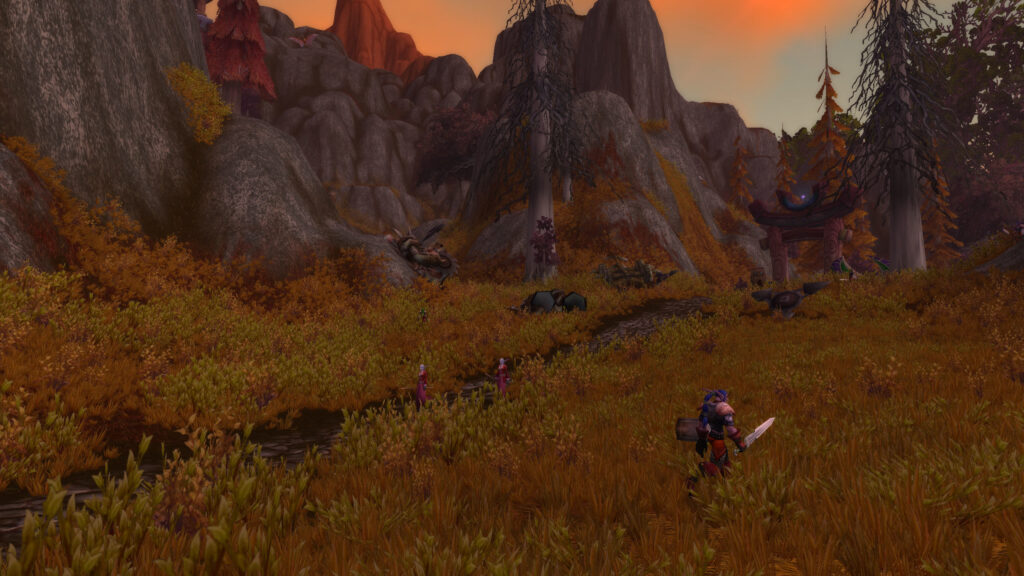
When maps lack structure, matches devolve into uncontrolled brawls.
Skill Expression Through Spatial Awareness
Experienced players exploit terrain to manage engagements. Knowing when to push, kite, or reset often matters more than raw execution.
Maps reward players who understand space as a resource.
Conclusion
PvP map design shapes engagement frequency and control by guiding movement, pressure, and positioning. Through intentional layouts and terrain features, maps transform combat into a strategic contest rather than a series of random fights.