


Crafting has long been a cornerstone of the World of Warcraft experience, allowing players to create powerful gear, consumables, and other essential items. Over the years, Blizzard has made significant changes to crafting professions, transforming them from niche activities to integral components of gameplay. This article explores the journey of crafting in WoW, highlighting key changes that have made these professions more accessible and streamlined, ultimately enhancing the player experience. From the introduction of new materials to the simplification of crafting mechanics, the evolution of crafting reflects the game’s ongoing commitment to player engagement and satisfaction.
The Early Days of Crafting
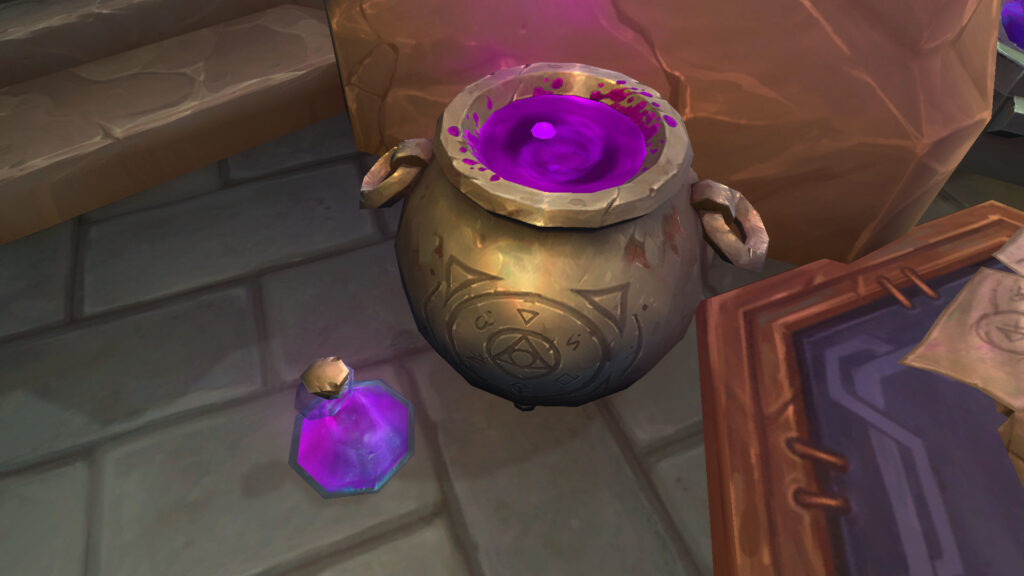
In the early days of World of Warcraft, crafting professions like Blacksmithing, Alchemy, and Tailoring required considerable investment in time and resources. Players needed to gather a variety of materials from mobs, mining nodes, or herbalism, often leading to tedious grinding sessions. The complexity of crafting recipes, which required numerous items with varying drop rates, created a barrier to entry for many players. This system, while rewarding for dedicated crafters, often led to frustration and a lack of accessibility for casual gamers. The introduction of crafting materials like cloth, ores, and herbs was essential, but the overall process remained cumbersome and time-consuming.
Streamlined Crafting Mechanics
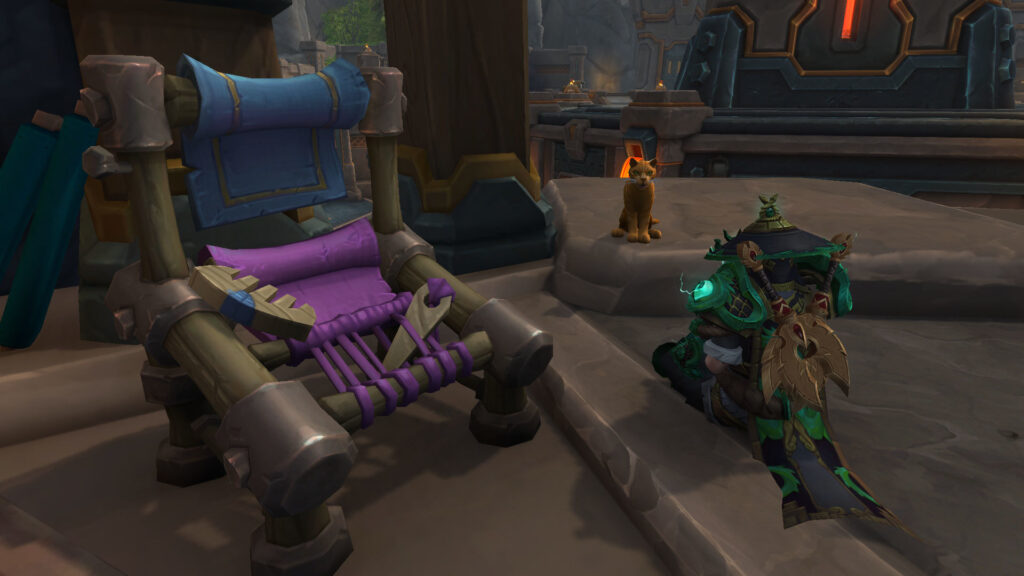
With the launch of expansions like Warlords of Draenor and Legion, Blizzard made significant improvements to the crafting system. The introduction of the “mission table” allowed players to send followers on missions to gather crafting materials, drastically reducing the time spent farming. Additionally, the concept of “crafting orders” was introduced, enabling players to request specific items from other crafters. This shift fostered a community-driven market and made it easier to obtain rare and powerful gear. The crafting interface was also revamped, simplifying the process of learning new recipes and managing materials, making crafting more intuitive for players of all skill levels.
Material Accessibility and Economy
One of the most significant changes in crafting has been the increased accessibility of materials. With the introduction of new gathering professions and the ability to farm materials in various locations, players can now acquire the necessary components for crafting more easily. The introduction of “soulbound” materials ensured that players could not simply buy their way to the top, promoting a healthy in-game economy. Furthermore, the addition of crafting tables and specialized vendors has streamlined the process of obtaining rare materials. Below is a table that outlines the evolution of material acquisition methods in crafting:
| Expansion | Material Acquisition Method | Notable Changes |
|---|---|---|
| Classic | Gathering, Drops | High RNG on materials |
| Burning Crusade | Gathering, Quests | Introduction of quest rewards |
| Warlords of Draenor | Mission Table, Garrison | Reduced farming time |
| Legion | World Quests, Gathering | Increased material availability |
Quality of Life Improvements
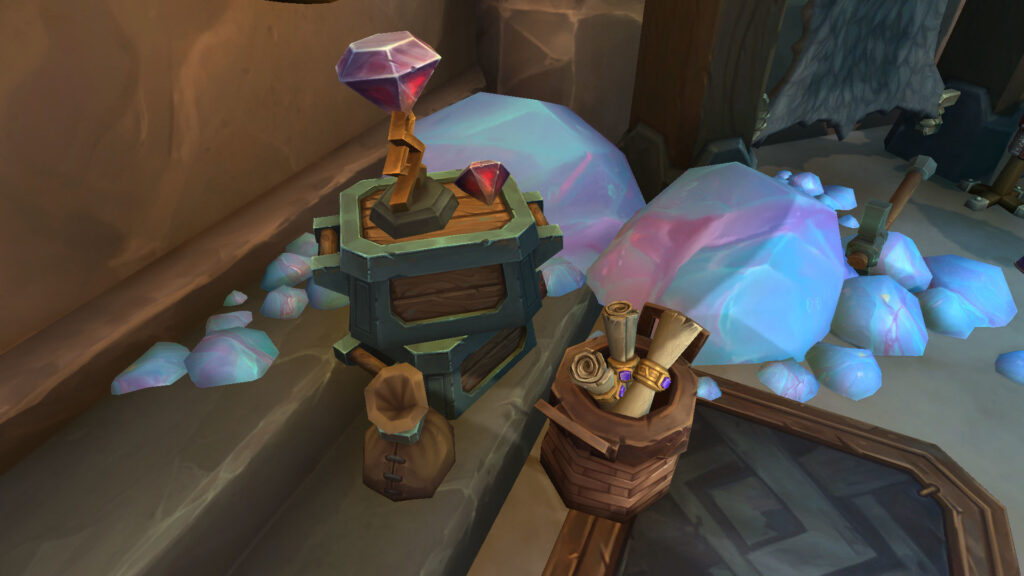
Blizzard has consistently focused on improving the quality of life for crafters. Features like the ability to craft multiple items at once and the introduction of “crafting specials” have made the profession more engaging. Players can now experiment with different materials to create high-quality items, which can lead to better stats and bonuses. The implementation of the “Profession UI” allowed for easier navigation and management of recipes, making it less daunting for new players. Crafting is no longer merely about grinding; it has become an exciting and strategic aspect of gameplay.
Future of Crafting Professions
Looking ahead, the future of crafting in World of Warcraft appears promising. With the community’s feedback and continuous updates from Blizzard, we can expect further enhancements that will keep crafting relevant and engaging. Future expansions may introduce new professions or refine existing ones, incorporating even more innovative mechanics. As players increasingly engage in high-level content like Mythic+ dungeons and raids, the demand for crafted items will likely grow, encouraging players to invest time in their professions. The evolution of crafting has come a long way, and it will undoubtedly continue to shape the WoW experience for years to come.