


Certain zones linger in memory long after players leave them, becoming cultural icons that define entire eras of gameplay. Others, despite rich design or compelling stories, slowly fade into the background of collective memory. This contrast reflects how emotional resonance, player interaction, and storytelling converge to shape a zone’s legacy. A zone’s impact depends not only on its design, but on how players experience it within the context of their journey.
This article explores the factors that elevate zones to iconic status, why others fall into obscurity, and what these patterns reveal about player culture.

The Emotional Footprint of a Zone
A zone becomes iconic when it leaves an emotional imprint. This happens through music, atmosphere, story moments, visual identity, or memorable events tied to player progression. A sweeping vista, a moment of triumph, or even a dramatic loss can anchor a zone in memory. Players remember not only the place, but how the place made them feel — turning landscapes into emotional landmarks.
Emotion binds players to the spaces they explore.
Design Factors That Shape Legacy
Layout, pacing, enemy density, quest flow, and environmental storytelling all influence whether a zone stands the test of time. Zones that balance exploration with satisfying progression tend to resonate more deeply. Meanwhile, zones with repetitive objectives, dense travel requirements, or fragmented storylines often struggle to maintain long-term familiarity.
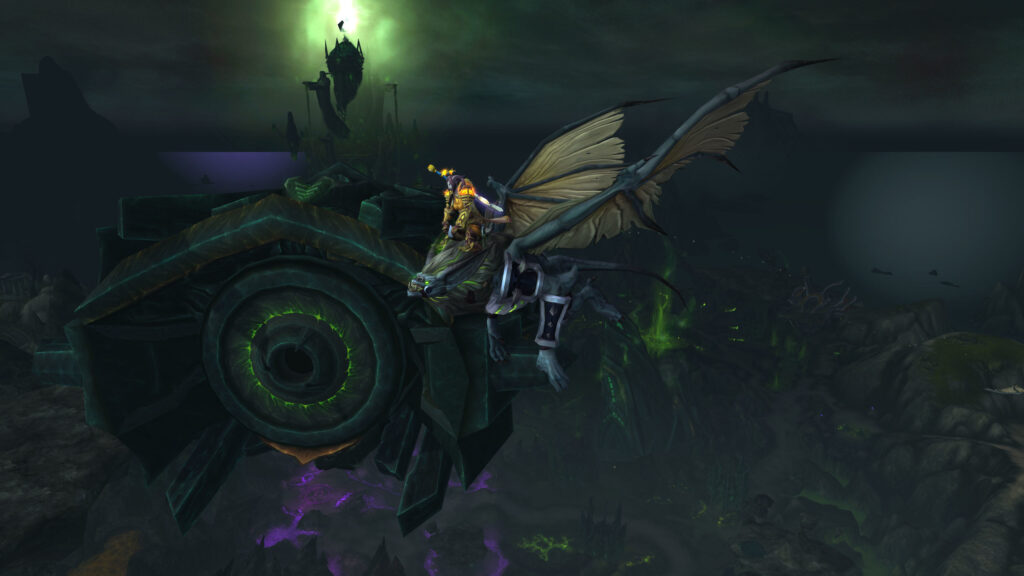
To understand why some zones endure, here is a simple comparison:
| Zone Trait | Iconic Zones | Forgotten Zones |
|---|---|---|
| Atmosphere | Strong visual and emotional identity | Generic or inconsistent tone |
| Story Impact | Key narrative events unfold here | Few lasting story consequences |
| Gameplay Flow | Smooth pacing and memorable quests | Repetitive structure, unclear direction |
| Player Interaction | Social memories tied to the zone | Little meaningful group activity |
Shared Cultural Moments That Shape Perception
Zones become iconic when they host culturally defining events — community gatherings, raids, world-changing patch updates, or memorable launch experiences. These events create shared memories that bind the playerbase together. Even years later, a single screenshot or line of music can evoke an entire era of community identity.
Culture elevates spaces into legends.
Why Some Zones Fade Into Obscurity
Not every zone receives the same narrative focus or emotional weight. Some become overshadowed by more dramatic regions, while others serve as transitional areas with minimal long-term relevance. As expansions progress, zones that don’t tie into later stories or gameplay loops gradually drift from collective memory. Their beauty or design may be undeniable — but without cultural or narrative anchors, they become quiet footnotes in the world’s long history.

Memory fades when a zone lacks emotional continuity.
The Future of Zone Legacy
Modern design aims to give zones more emotional and narrative resonance. Dynamic events, evolving stories, and cultural landmarks help ensure that new zones leave lasting impressions. As expansions become increasingly interconnected, zones have more opportunities to influence ongoing narratives — improving their chances of becoming iconic.
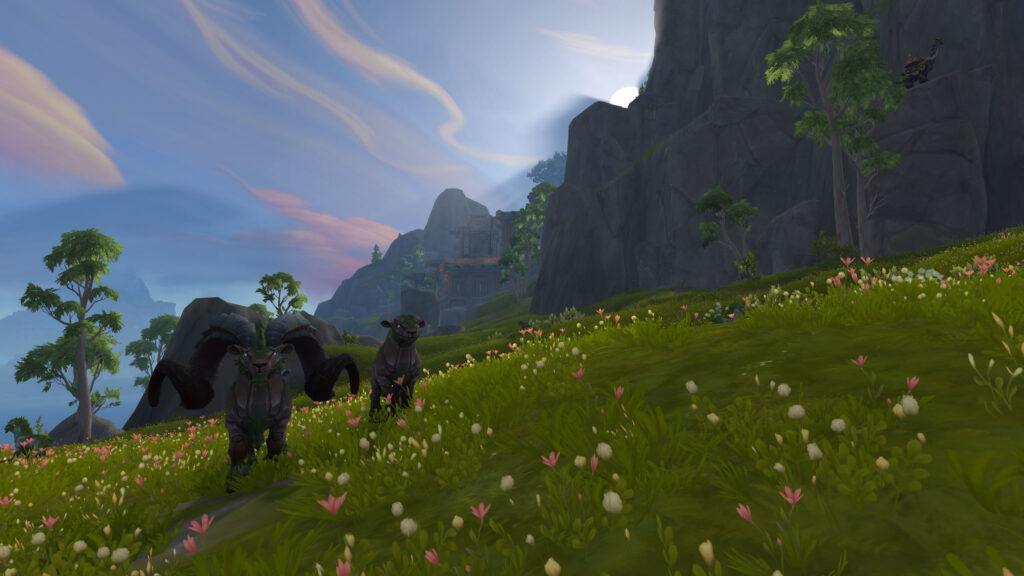
Legacy grows through connection and meaning.
Conclusion
Zones become iconic when they evoke emotion, shape community experiences, and reflect meaningful design philosophy. Others fade when they lack these anchors. Together, both types of zones reveal how players interact with the world — not only through quests, but through memory, culture, and shared moments. The enduring legacy of each zone is shaped as much by players as by developers.